Before & After:
What Changes With Portal Axles
A practical, engineering-led look at what you gain with portals—ground clearance, control, and driveline geometry—plus what stays the same so you can plan your build with confidence.
Before Portals
Most 4x4s are capable from the factory, but clearance and driveline angles become limiting factors as terrain gets rougher and loads increase.
Lowest-point clearance limits capability
Your diff housing and other driveline components sit low—so ruts, rocks, and ledges can stop progress or cause damage.
Bigger tyres help—but bring trade-offs
Tyre size can add clearance, but it also affects gearing, braking, steering feel, and can increase stress across the driveline.
Steeper driveline angles under lift
As suspension height increases, CV/uni angles and operating loads can rise—especially under torque at low speed.
Control at crawl speed depends on gearing
Low-speed modulation is heavily influenced by your overall reduction. Without enough reduction, you can end up riding the brakes or fighting wheel speed.
After Portals
Portal reduction at the hub changes where clearance and gearing happen—unlocking capability without relying solely on tyre size or extreme suspension lift.
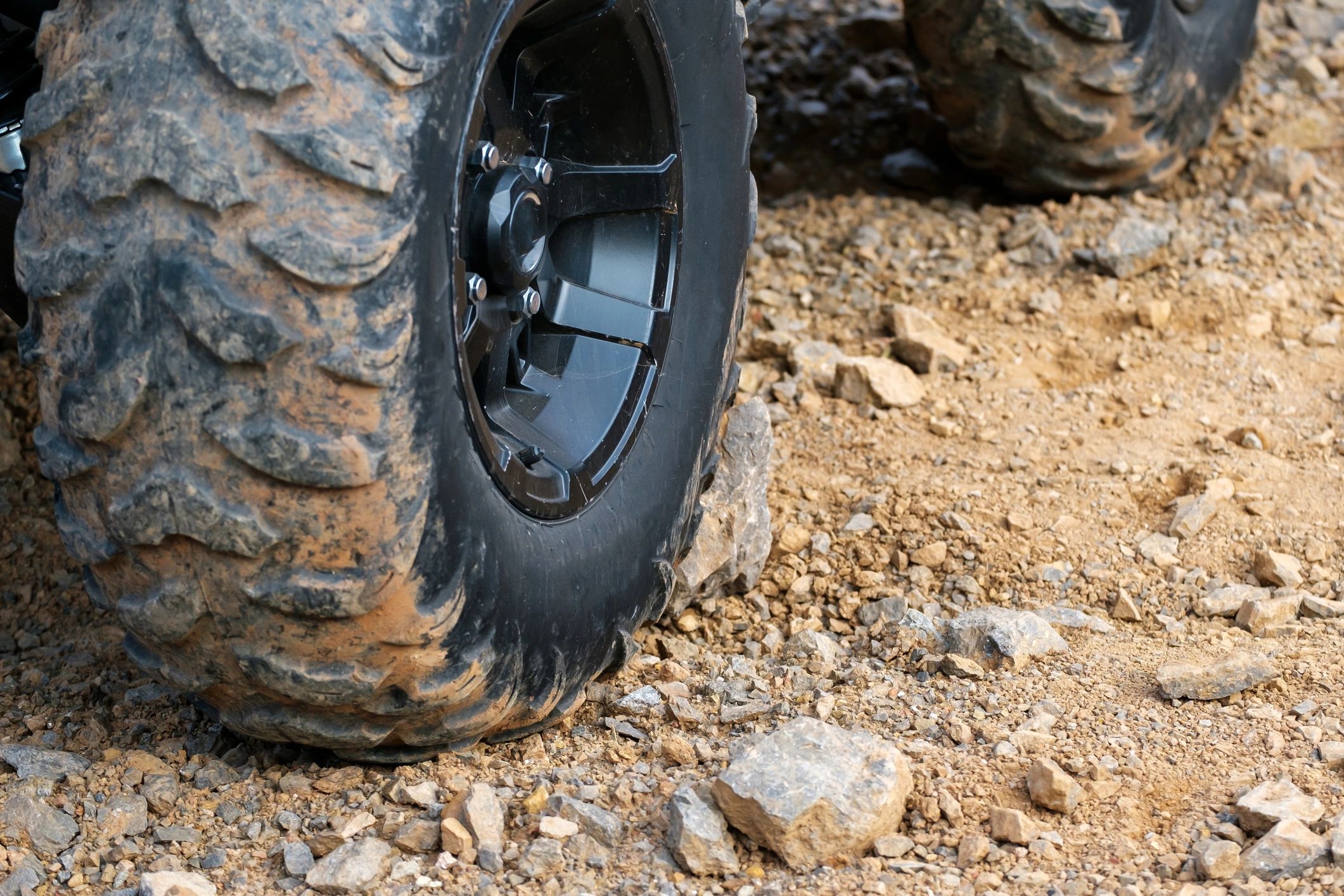
More clearance where it matters
Lift the diff and critical driveline components higher for improved breakover and less hang-up in ruts and rocks.
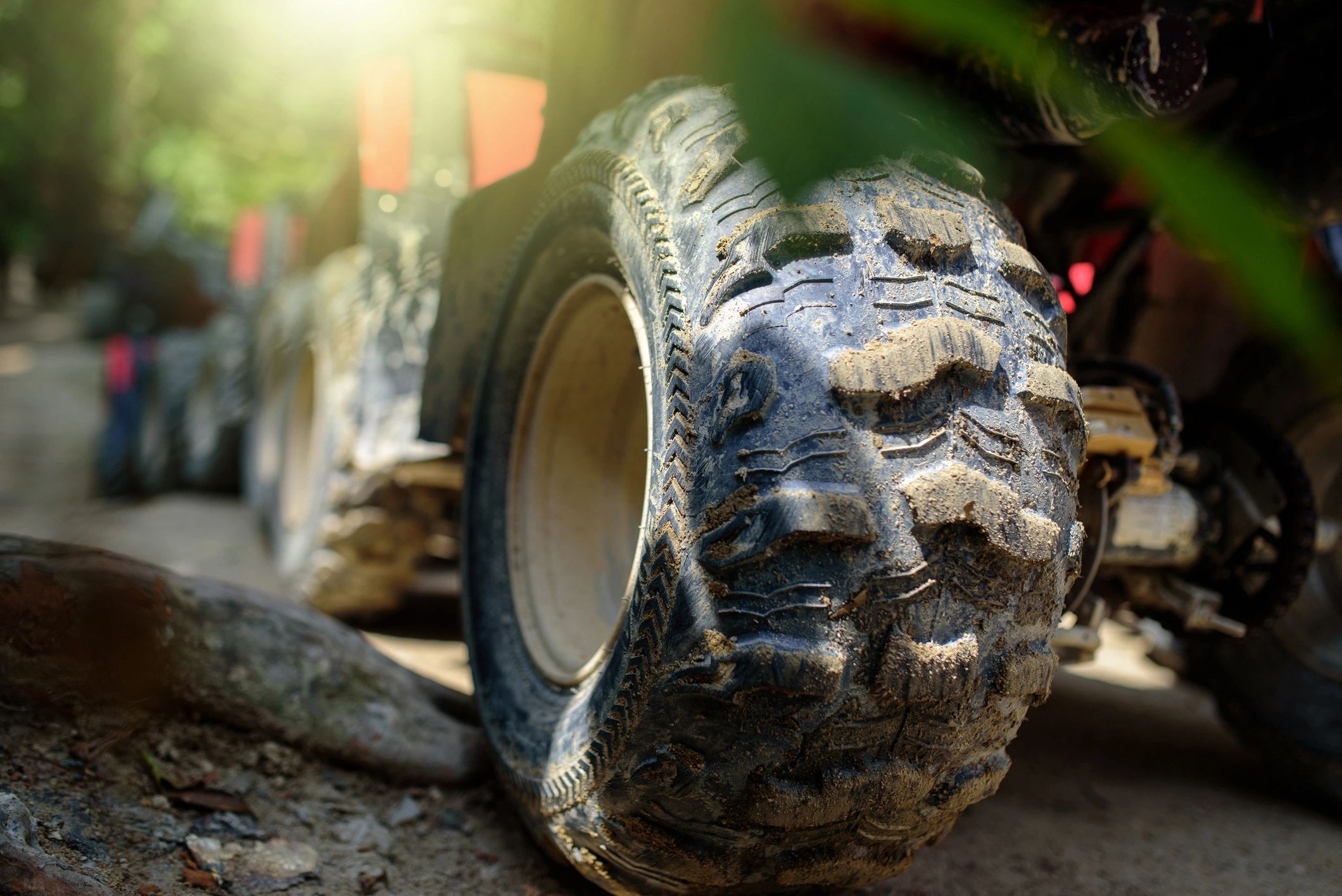
Mechanical advantage at the wheel
Hub reduction improves torque at the wheels for controlled crawling and confident climbs.
Reduced driveline stress (by design)
Reduction at the hub can lower load on upstream driveline components under demanding conditions.
Better low-speed control
Smoother throttle modulation and traction at low speeds for technical terrain.
Improved approach to tyre choice
Run a tyre size that suits your build goals without relying on tyre diameter alone to achieve clearance and gearing.
Confidence in harsh terrain
More clearance and control helps you drive cleaner lines and reduce underbody impacts over long trips.
What Portals Don’t Change
Portals are a major capability upgrade, but they don’t replace good build fundamentals. These still matter just as much.
Tyres still do the traction work
Compound, tread, pressure, and sidewall strength remain critical for grip and durability.
Suspension setup still matters
Springs, damping, alignment, and bump-stop tuning still define ride quality and control.
Driver technique is still the multiplier
Line choice, throttle control, and momentum management remain key—portals simply expand the envelope.
Maintenance is still non-negotiable
Regular inspections, torque checks, and fluid servicing keep any serious off-road build reliable.
Before vs After (Quick Comparison)
Before Portals
Factory driveline height
Baseline capability
✓
Diff clearance limited by tyre size
✓
Gearing changes require drivetrain mods
✓
Lift can increase driveline angles
—
More underbody contact in ruts/rocks
—
Control depends on existing reduction
Most Popular
After Portals
Hub reduction + raised driveline
Engineering-led advantage
✓
Increased clearance at the diff
✓
Mechanical advantage at the wheel
✓
Improved low-speed modulation
✓
Potentially reduced upstream stress
✓
More capability with sensible lift/tyres
Still True
Build fundamentals
Always matters
✓
Tyres and pressures are critical
✓
Suspension tuning affects control
✓
Brakes and cooling must be matched
✓
Maintenance keeps reliability high
✓
Driver skill remains the difference
Ready to plan your portal build?
Tell us your vehicle, tyre size, load, and terrain. We’ll help you map the right portal configuration and connect you with the right support.